
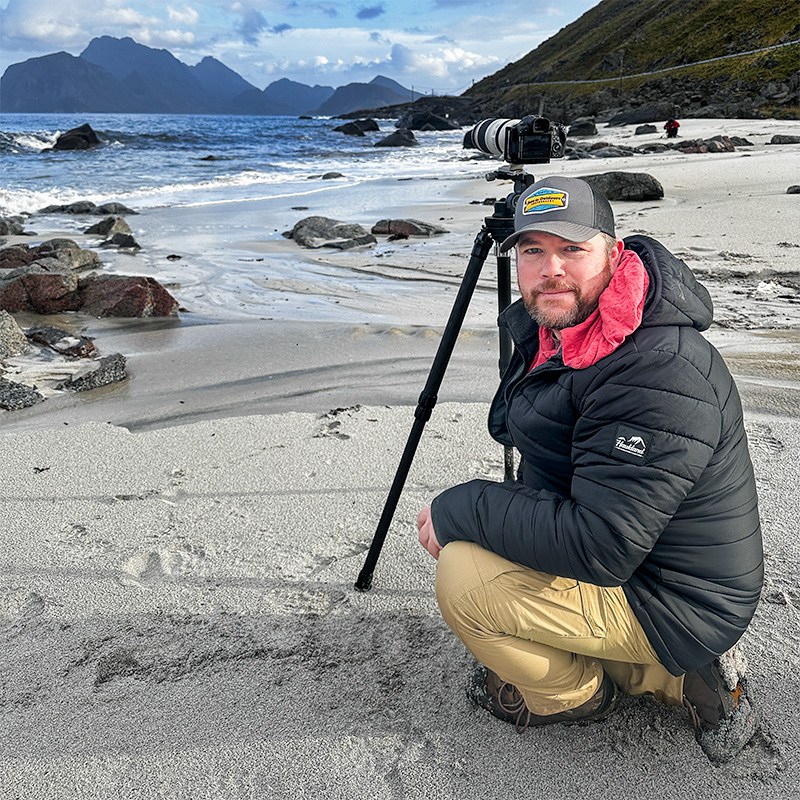
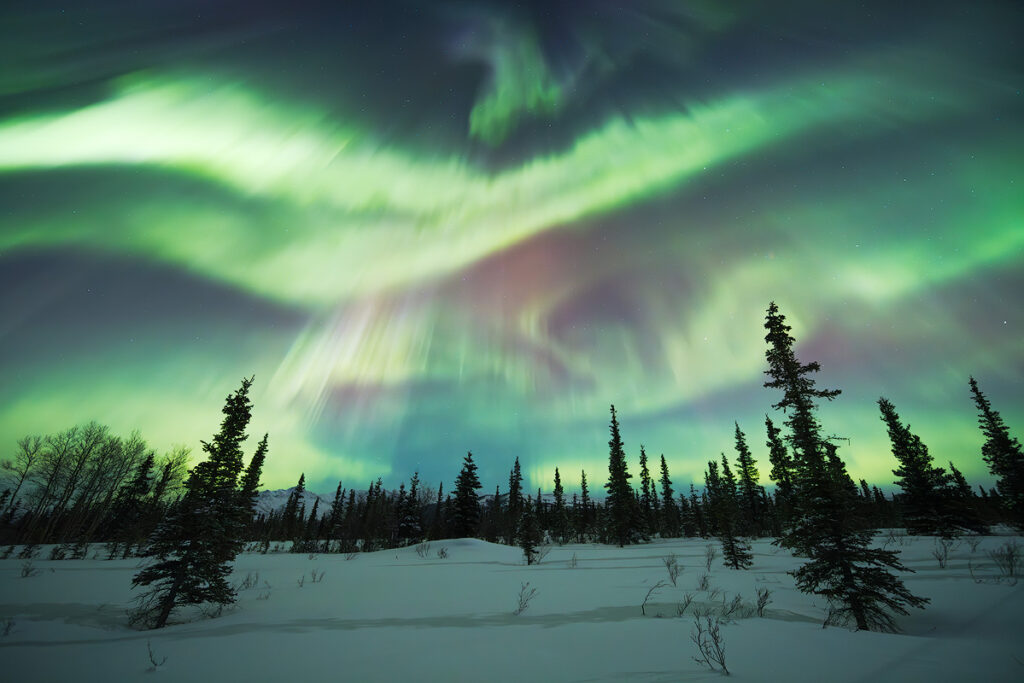
After guiding thousands of visitors to see the northern lights over the past two decades, I can tell you this with certainty: 2026-2027 represents the best opportunity in over a decade to witness spectacular aurora displays in Fairbanks. This period offers the best chance to see the northern lights in Alaska, thanks to the solar maximum conditions that create optimal viewing opportunities.
The sun is currently near its solar maximum—the peak of its 11-year activity cycle—which means more frequent, more intense, and more colorful aurora displays than we’ve seen since the mid-2000s. As someone who was born and raised in Alaska’s Interior and has spent over 20 years leading aurora tours from our family property 100 miles north of Fairbanks, I’ve watched countless visitors arrive unprepared and leave disappointed. This guide exists to make sure that doesn’t happen to you.
Planning a Fairbanks aurora trip requires understanding the intersection of solar science, Arctic weather patterns, and practical logistics that most travel guides simply don’t cover. In this comprehensive guide, I’ll share everything I tell my guests—from the month-by-month breakdown that locals actually use to the budget realities no one talks about.
Quick Facts: Fairbanks Aurora Viewing at a Glance
| Aurora Season | August 21 – April 21 (9 months) |
|---|---|
| Peak Viewing Hours | 10 PM – 2 AM (solar midnight around 1 AM; late evenings and early morning hours are optimal for northern lights viewing) |
| Viewing Success Rate | 90%+ with 3+ nights of active viewing |
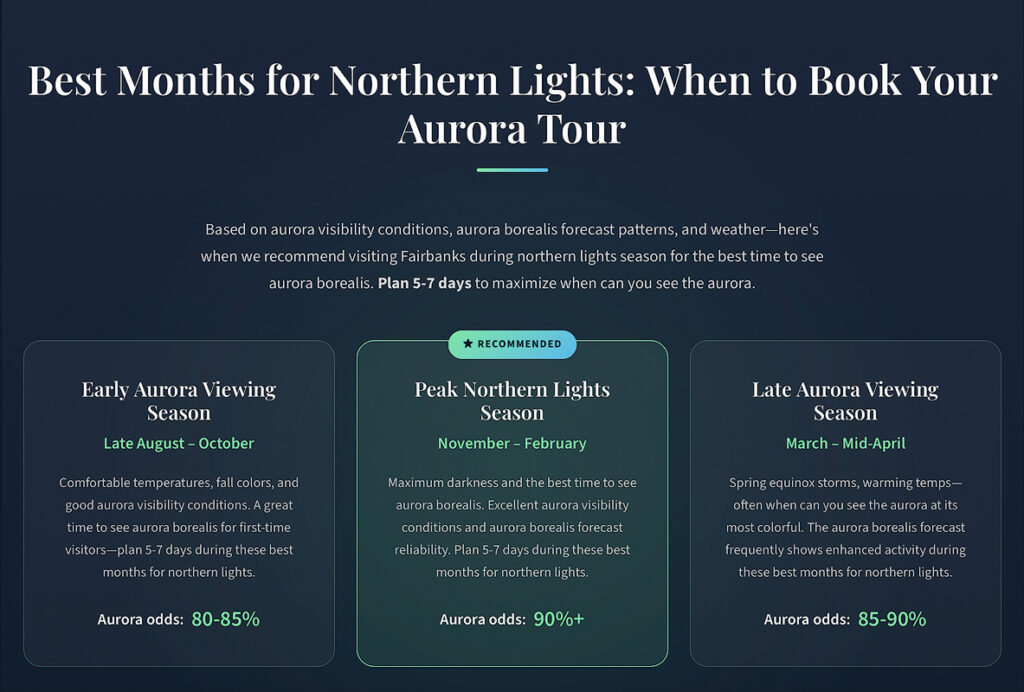
| Best Months | September, February, March (clearest skies + equinox activity) |
| Temperature Range | +50°F (Sept) to -40°F (Jan/Feb) |
| Flight Time from Seattle | 4 hours direct |
| Why Fairbanks? | Directly under the Auroral Oval, dry climate = clear skies |
Fairbanks is located directly under the main auroral band—a geomagnetic ring around the Arctic Circle where the Northern Lights are most visible. This geographic advantage makes Fairbanks one of the best places in the world for aurora viewing.
Why 2026-2027 Is the Best Time in a Decade to Plan Your Aurora Trip
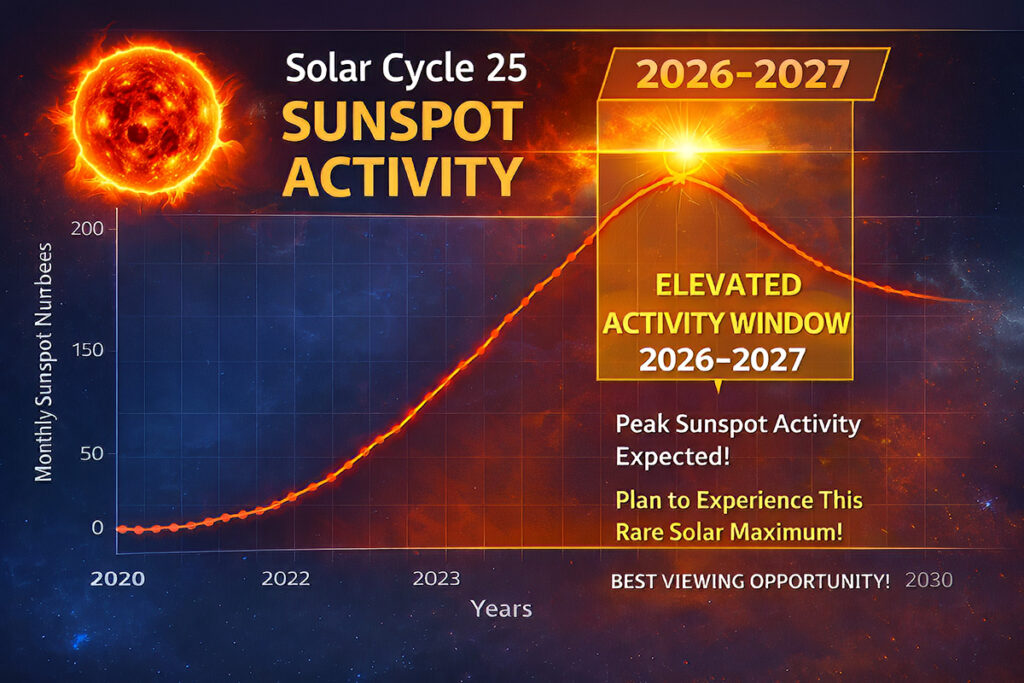
Here’s something most aurora guides won’t tell you: not all years are created equal for northern lights viewing. The aurora is powered by solar activity, and that activity follows an approximately 11-year cycle. We’re currently in Solar Cycle 25, which scientists expected to peak around 2024-2025—but has exceeded expectations and continues producing strong activity into 2026.
What this means for you: The 2026-2027 aurora season (August 2026 through April 2027) offers some of the best viewing conditions we’ll see until the mid-2030s. After this cycle winds down around 2027-2028, aurora displays will become less frequent and less intense as we approach solar minimum.
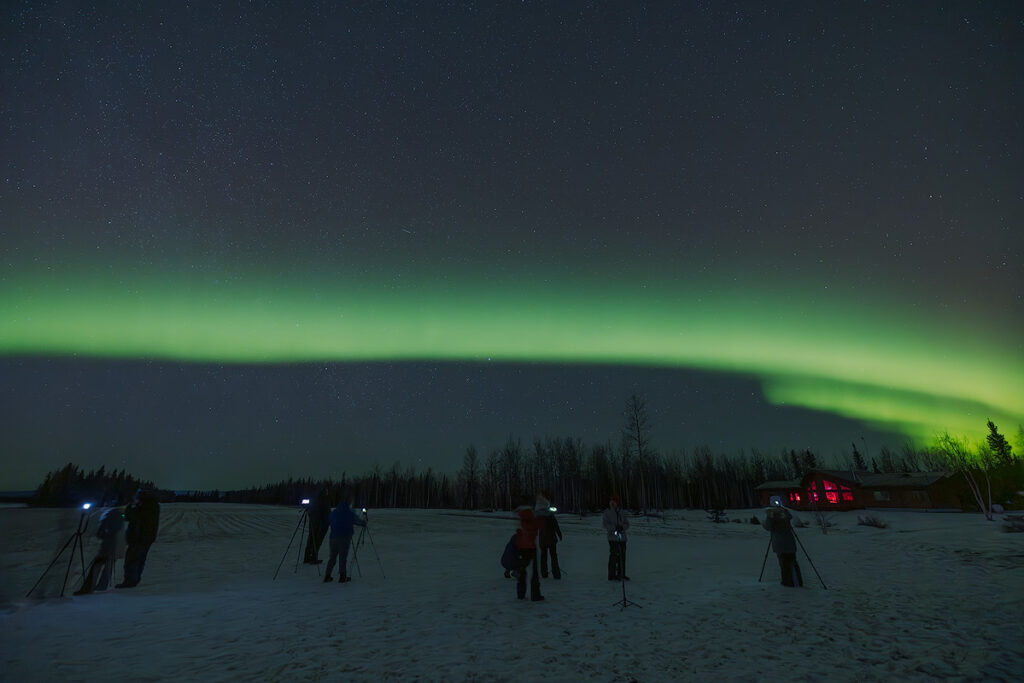
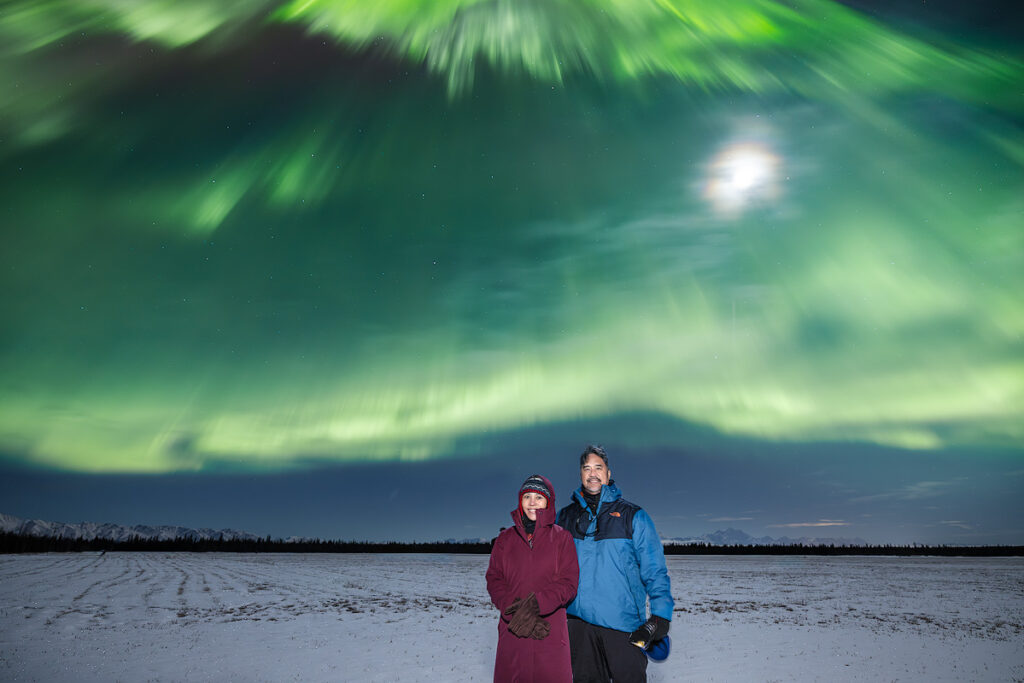
During solar maximum, I’ve watched aurora displays that literally made guests cry—curtains of green, purple, and pink dancing directly overhead, so bright you could read by their light. This awe-inspiring natural phenomenon draws visitors from around the world, eager to witness its rare beauty. During solar minimum years, those same guests might wait three nights and see only a faint glow on the horizon. If seeing a truly spectacular aurora display is on your bucket list, now is the time.
This is the perfect opportunity to join the thrilling hunt for the northern lights in Alaska, especially during these peak activity years when your chances of witnessing unforgettable aurora shows are at their highest.
How Many Nights Do You Actually Need? (The Honest Answer)
The industry-wide statistic: Visitors who stay at least three nights in Fairbanks and actively go out viewing each night have a 90%+ chance of seeing the northern lights. That’s a real number backed by decades of data from the University of Alaska Fairbanks Geophysical Institute.
My honest recommendation: Plan for 5-7 nights minimum. Here’s why the three-night statistic can be misleading:
• Weather variability: Fairbanks has relatively clear skies, but a stretch of cloudy nights can happen. More nights = more chances.
• Aurora intensity varies: Even with clear skies, some nights produce dramatic displays while others show only faint activity. Multiple nights increase your odds of witnessing something spectacular.
• Sleep schedule adjustment: Aurora viewing happens between 10 PM and 3 AM. It takes a day or two for most people to adjust, especially when dealing with time zone changes.
• Daytime experiences: Fairbanks offers incredible daytime activities—dog mushing, hot springs, ice museums—that you won’t want to miss.
Most tours in Alaska don’t provide amenities such as warm clothing so make sure you are dressed appropriately or plan on renting cold weather gear while visiting the Fairbanks area so the experience is more comfortable during your visit.
The bottom line: One night is a gamble. Two nights is hopeful. Three nights is reasonable. Five to seven nights is what I recommend to serious aurora chasers who want both the best odds AND the experience to enjoy everything Fairbanks offers.
Month-by-Month Breakdown: When Locals Actually Recommend Visiting
Aurora season runs from August 21 through April 21—nine full months. Throughout this period, Alaska’s majestic mountains, including the iconic Alaska Range, provide a prime backdrop for aurora viewing. The auroral band often crosses above the Alaska Range, making this region especially suitable for witnessing the Northern Lights, particularly around Fairbanks and Denali.
During winter, the snow capped mountains create a breathtaking scene, with frosty landscapes and alpenglow enhancing the visual impact of every aurora experience. But each timeframe offers a distinctly different experience. Here’s the insider breakdown:
Late August – September: The “Goldilocks” Window
Temperature: 30-55°F | Darkness: Increasing rapidly | Crowds: Moderate
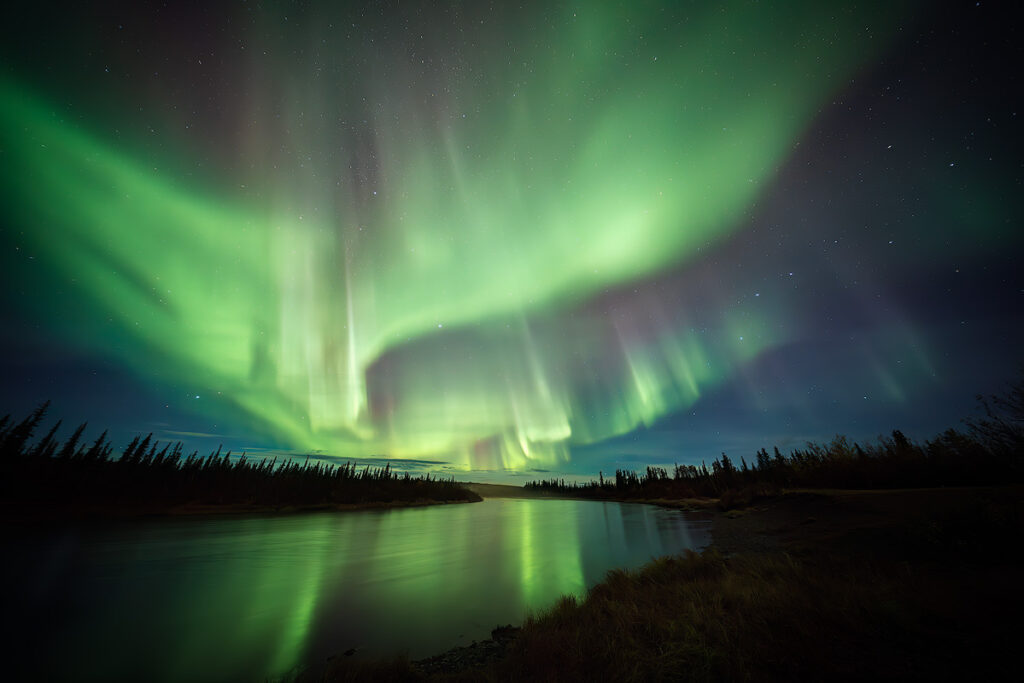
This is my personal favorite time of year. The fall equinox (around September 22) creates favorable conditions for geomagnetic activity, and lakes and rivers haven’t frozen yet—meaning you can capture those stunning reflective aurora images you see on postcards. Temperatures are mild enough that you can stand outside comfortably for hours without specialized Arctic gear. The boreal forest, with its golden autumn foliage, provides a scenic backdrop for outdoor adventures and aurora photography, making hikes and excursions especially picturesque.
Best for: First-time aurora viewers, photographers seeking reflections, visitors who want mild weather and daytime activities like river floating, gold panning, and hiking.
October – November: Transition Season
Temperature: -10 to 30°F | Darkness: Long nights | Crowds: Lower
October can be unpredictable—sometimes we get early snow creating beautiful winter scenes, sometimes it’s still fall-like. November brings reliably dark nights and typically the first good snow coverage. This is a good value season with lower prices and fewer crowds, but weather can be variable.
Best for: Budget-conscious travelers, those who want longer viewing windows without extreme cold.
December – January: Maximum Darkness (and Cold)
Temperature: -20 to -40°F | Darkness: Maximum (only 3-4 hours of daylight) | Crowds: Moderate (holiday spike)
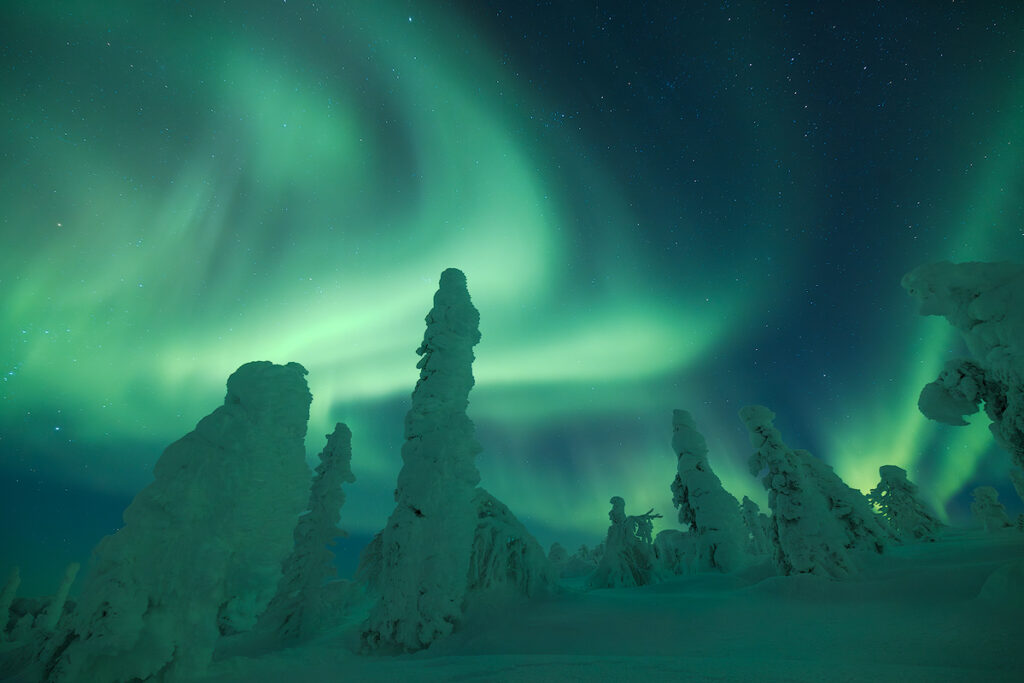
This is when Fairbanks earns its reputation. Yes, it’s cold—seriously cold. But the darkness is extraordinary, the snow creates magical landscapes, and the aurora can appear as early as 5 PM. The clarity of the night sky during this season offers breathtaking, unobstructed views of the aurora borealis, with stars often sparkling above the glowing lights. Many viewing locations and lodges offer a fire or heated area where guests can relax and warm up between aurora sightings, making the experience more comfortable during these frigid months. December has holiday crowds; January is quieter but colder. You WILL need proper Arctic clothing—no exceptions.
Best for: Adventurous travelers seeking the “full Alaska experience,” those who want to combine aurora viewing with winter activities like dog mushing and ice fishing, photographers who love winter landscapes.
February – March: The Sweet Spot (Local’s Choice)
Temperature: -10 to 10°F | Darkness: Long nights + spring equinox | Crowds: Moderate to High (March especially)
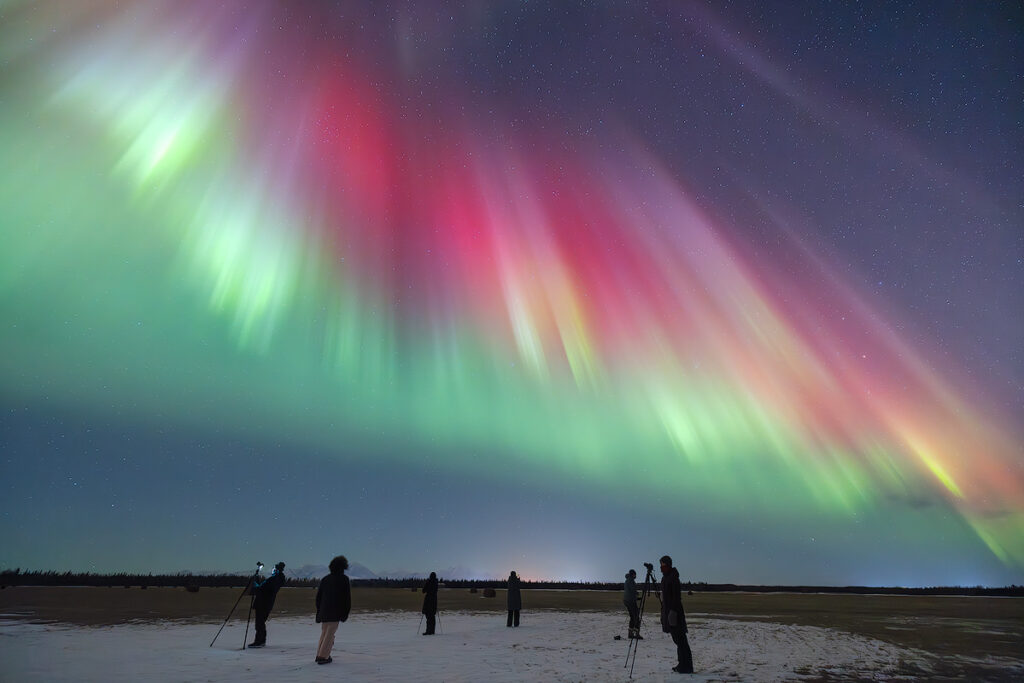
This is the period most local guides quietly recommend to friends and family. Here’s why: February through early April typically has the clearest skies of the year in Fairbanks—the dry, stable cold high pressure that dominates Interior Alaska in late winter produces outstanding viewing conditions. During this season, you can often watch the northern lights dance across the sky, creating a mesmerizing natural display from lodges or outdoor locations.
The best times and places to view the northern lights near Fairbanks are during this season. The spring equinox (around March 20) brings another spike in geomagnetic activity, similar to fall. And temperatures, while still cold, are warming from the deep freeze of January.
March is increasingly popular, so book tours and lodging early. Late February offers similar conditions with fewer crowds.
Best for: Maximizing your viewing odds, those who want winter landscapes without extreme cold, visitors attending the World Ice Art Championships (February-March).
April: The Hidden Gem
Temperature: 10-40°F | Darkness: Decreasing rapidly | Crowds: Low
Early April (before the 21st when aurora season officially ends) is Fairbanks’s best-kept secret. The post-equinox activity remains strong, skies are typically clear, temperatures are mild, and prices drop significantly. The main catch: darkness is shrinking rapidly—by mid-April, it doesn’t get truly dark until after 11 PM. But for savvy travelers, early April offers excellent value and good odds.
Best for: Budget travelers, those who hate cold, visitors who want to combine aurora viewing with early spring activities.
What Does a Fairbanks Aurora Trip Actually Cost? (Real Numbers)
Let me give you the honest breakdown that most tourism websites avoid. These are realistic 2026 estimates based on current pricing. There are a variety of Alaska northern lights trips available, ranging from budget-friendly group tours to premium, all-inclusive experiences. Land packages, which include land-based tours and activities such as guided aurora viewing and adventure excursions, make up a significant part of the overall trip cost.
Budget Trip (5 nights): $1,800-3,000 per person
• Flights from West Coast: $300-500 round trip
• Budget hotel/Airbnb: $100-150/night ($500-750 total)
• 3-4 guided aurora tours: $200-400 each ($600-1,200 total)
• Rental car (optional): $60-100/day ($300-500 total)
• Meals: $50-75/day ($250-375 total)
• Winter gear rental (if needed): $50-100
Mid-Range Trip (6 nights): $3,500-5,500 per person
• Flights: $400-600
• Nice hotel or aurora lodge: $200-300/night ($1,200-1,800 total)
• 4-5 guided tours (aurora + daytime activities): $1,000-1,500
• Rental car: $500-600
• Meals and incidentals: $500-700
Premium Experience (7+ nights): $6,000-10,000+ per person
• Flights (premium cabin): $600-1,200
• Aurora resort/glass igloo accommodation: $400-700/night
• Private aurora tours with photography instruction: $500-800 each
• Premium activities (flight seeing, multi-day dog sledding): $500-1,500
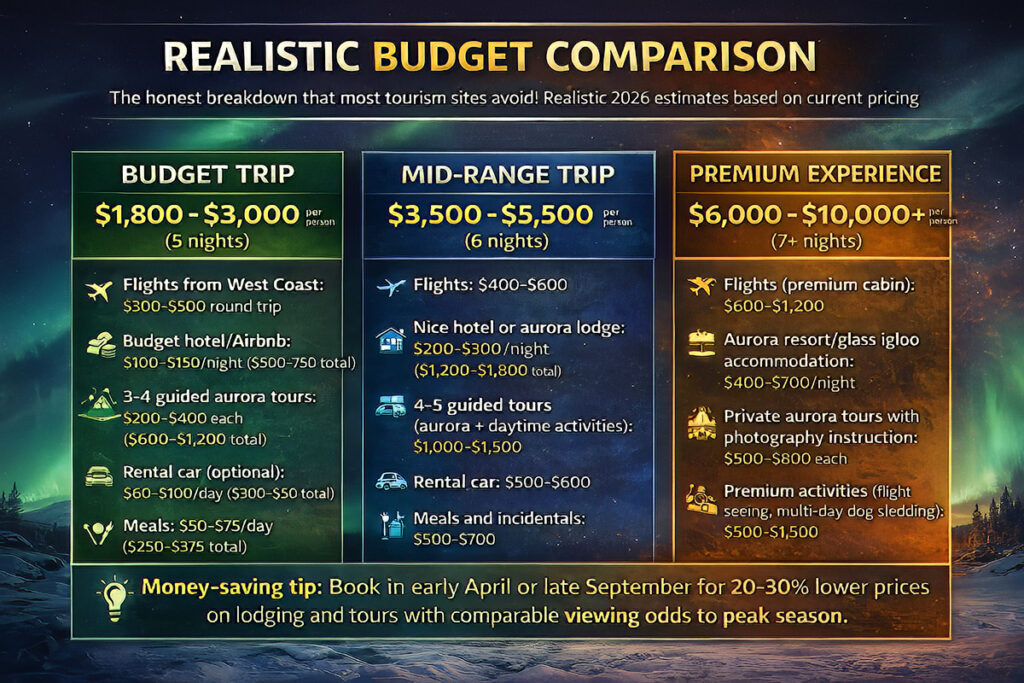
Money-saving tip: Book in early April or late September for 20-30% lower prices on lodging and tours with comparable viewing odds to peak season.
Guided Tours vs. DIY Aurora Chasing: Which Is Right for You?
This is the question I get asked most often, and my answer might surprise you: it depends entirely on your experience level, comfort with cold weather, and what kind of experience you want. Booking a northern lights tour provides expert guidance and maximizes your chances of witnessing the aurora in Alaska. Guided tours offer the advantage of local expertise, with a seasoned guide selecting the best location for aurora viewing—choosing spots with unobstructed views and minimal light pollution to maximize your chances of seeing the Northern Lights. A knowledgeable tour guide also ensures your safety, shares educational insights, and brings valuable local knowledge to each aurora excursion, adapting to changing conditions for the best possible experience.
Choose a Guided Tour If:
• This is your first aurora trip
• You’re uncomfortable driving on icy winter roads in the dark
• You want help with aurora photography
• You value having warm indoor facilities while waiting
• You want guides who actively chase clear skies (driving 50-100+ miles if needed)
• You prefer not to stay awake until 3 AM and then drive yourself home
DIY Might Work If:
• You have previous aurora viewing experience
• You’re comfortable with winter driving and navigation
• You have proper cold-weather gear
• You want complete flexibility on schedule
• You’re traveling with a group (cost-sharing a rental car)
• You know how to interpret aurora forecasts and weather data
My honest take: The average cost of guided tours ($150-400/night) is worth it for most first-time visitors. Good guides don’t just drive you somewhere and hope—they actively monitor real-time satellite weather data, aurora forecasts, and local conditions to maximize your chances. When I lead tours, we sometimes drive 100+ miles to find clear skies. That’s expertise you can’t replicate with an app.
Essential Packing List: What You Actually Need (and What You Don’t)
The key principle: layers, layers, layers. And absolutely no cotton—it holds moisture and will make you miserably cold.
Clothing Essentials (September/October and March/April)
• Thermal base layer top and bottom (merino wool or synthetic)
• Mid-layer fleece or down jacket
• Waterproof, insulated outer jacket
• Insulated pants or snow pants
• Warm hat that covers ears
• Insulated gloves or mittens (mittens are warmer)
• Wool or synthetic socks (bring extras)
• Insulated, waterproof boots – an essential item if you’re planning to see the Northern Lights in Fairbanks.
• Neck gaiter or balaclava
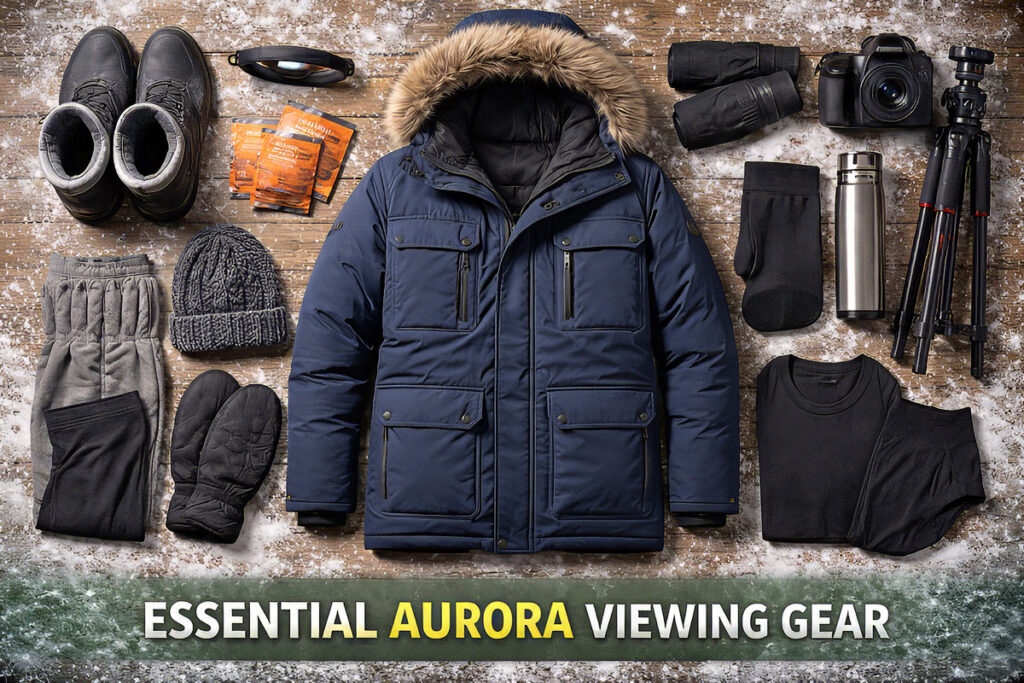
Additional Items for Deep Winter (November-February)
• Extreme cold parka rated to -40°F
• Bunny boots or extreme cold footwear
• Chemical hand and toe warmers (bring lots)
• Face protection (balaclava or face mask)
Pro tip: Many tour operators and local shops rent extreme cold weather gear. If you’re visiting once and don’t already own Arctic-rated clothing, renting is often more practical than buying.
Photography Gear
• Camera with manual settings (DSLR, mirrorless, or recent smartphone)
• Sturdy tripod (essential—non-negotiable)
• Wide-angle lens if using interchangeable lens camera (14-24mm ideal)
• Multiple extra batteries (cold drains them fast—keep spares warm in your pocket)
• Remote shutter release or use self-timer
• Plastic bag for camera (prevents condensation when going from cold to warm)
• Headlamp with red light mode (preserves night vision)
Aurora Photography: Basic Settings That Actually Work
I’ve helped thousands of guests capture their first aurora photos. Here are the settings I recommend as a starting point:
• ISO: Start at 1600-3200, adjust based on brightness
• Aperture: As wide as your lens allows (f/2.8 or lower is ideal)
• Shutter speed: 5-15 seconds (shorter for fast-moving aurora, longer for faint aurora)
• Focus: Manual focus set to infinity (or focus on a bright star/distant light)
• White balance: Auto or 3500-4500K
Smartphone users: Modern iPhones and Android phones can capture aurora surprisingly well. Enable night mode, use a tripod or stable surface, and the phone will do most of the work. Some phones have dedicated astrophotography modes that work even better.
The most common mistake I see: Reviewing photos on a bright phone screen in the dark, then assuming something is wrong with the camera. Let your eyes adjust to darkness for 15-20 minutes, keep screen brightness low, and trust your settings.
Where to Stay: Downtown Fairbanks vs. Remote Lodges
You have two main options, each with trade-offs:
Stay in downtown Fairbanks for easy access to restaurants, shops, and city amenities, or choose a remote lodge for a more immersive, nature-focused experience. Remote lodges immerse guests in the Alaskan wilderness, offering a more authentic connection to Alaska’s pristine landscapes and wildlife. Popular options include Chena Hot Springs Resort, Borealis Basecamp, and Aurora Borealis Lodge. At Chena Hot Springs Resort, guests can spend their days exploring the highlights of the property, such as guided tours of the Ice Museum, relaxing in the natural hot springs, and visiting dedicated Northern Lights viewing areas.
Downtown Fairbanks Hotels
Pros: More affordable, restaurants and shops nearby, flexibility to book different tours each night, easier access to daytime activities and cultural attractions like the Morris Thompson Cultural Center and University of Alaska Museum of the North.
Cons: City lights reduce aurora visibility if viewing from the property; you’ll need to travel (via tour or rental car) to darker skies.
Best for: Budget travelers, those who want variety in tours and activities, visitors who prefer amenities nearby.
Remote Aurora Lodges
Pros: Dark skies right outside your door, wake-up calls when aurora appears, immersive experience, some offer unique accommodations like glass igloos or heated viewing areas.
Cons: More expensive, limited dining options (often included in package), less flexibility to try different tour operators.
Best for: Those prioritizing maximum aurora viewing convenience, couples seeking romantic experience, visitors who want an all-inclusive feel.
Popular options include: Chena Hot Springs Resort (hot springs + aurora), Borealis Basecamp (glass-roof cubes), Aurora Borealis Lodge, and various bed-and-breakfasts on the outskirts of town.
Getting to Fairbanks: Flight Options and Logistics
Fairbanks Airport (Fairbanks International Airport, FAI) is the main arrival point for visitors starting their northern lights vacation in Alaska. The airport offers convenient access to Fairbanks, and most hotels and lodges provide a shuttle service for easy transfers from the terminal to your accommodation.
• Direct flights from: Seattle (4 hours), Anchorage (1 hour), Denver (seasonal), Minneapolis (seasonal), and several regional Alaska destinations
• Main carriers: Alaska Airlines (most frequent), Delta, United
• One-stop connections: From virtually any US city via Seattle, Anchorage, or Denver
Booking tip: Flights are typically cheapest when booked 6-8 weeks in advance. Early morning departures from Seattle often have better prices. Watch for Alaska Airlines sales.
Alternative: Alaska Railroad offers a scenic winter train (Aurora Winter Train) from Anchorage to Fairbanks. It’s a full-day journey through spectacular wilderness, and many visitors use it as part of a longer Alaska itinerary.
Travelers can also see the Trans-Alaska Pipeline, another iconic landmark, during their journey to Fairbanks or as part of winter tours and outdoor activities in the region.
What to Do During the Day (While You’re Not Aurora Hunting)
Aurora viewing happens at night, leaving your days free for other adventures. Here’s what I recommend:
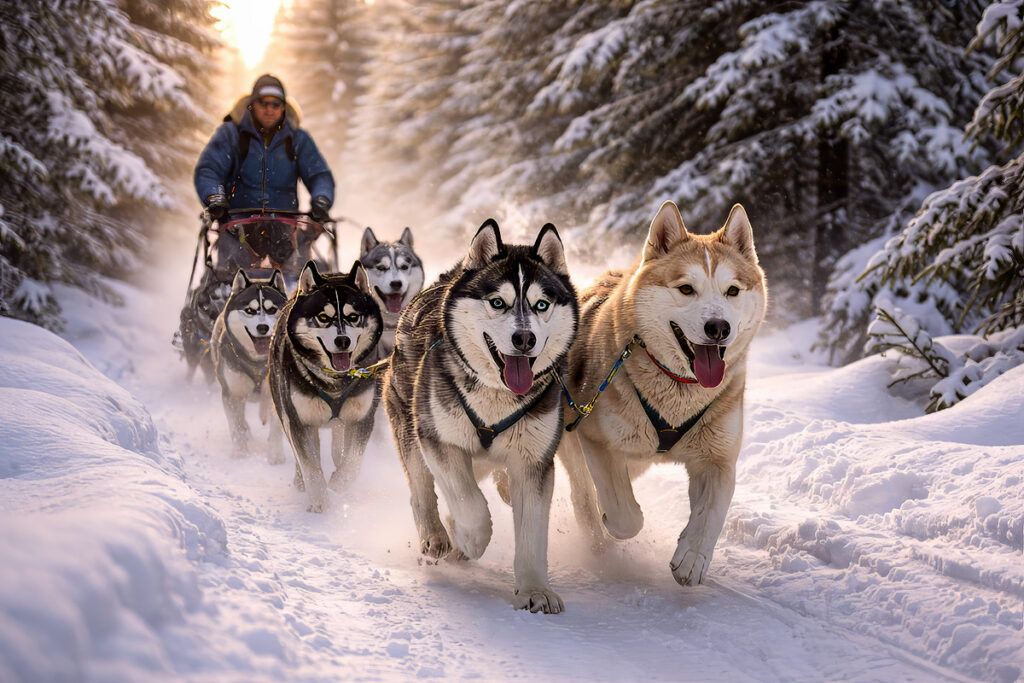
• Dog Mushing: This is Alaska’s state sport, and several operators offer everything from short rides to full-day expeditions. Experience an authentic dogsled ride through the snowy wilderness, where you’ll interact with friendly sled dogs and learn about their vital role in Alaskan culture. It’s a must-do.
• Chena Hot Springs: Natural hot springs about an hour from town. Soak in the outdoor rock lake surrounded by snow—genuinely magical. They also have an ice museum kept at 25°F year-round.
• Running Reindeer Ranch: Walk through the woods with friendly reindeer. Surprisingly charming for adults, not just kids.
• University of Alaska Museum of the North: World-class exhibits on Arctic science, Alaska Native culture, and natural history. The building itself is architecturally stunning.
• Trans-Alaska Pipeline Viewing Area: Visit one of the Trans-Alaska Pipeline viewing areas near Fairbanks to see this engineering marvel up close and learn about its significance to Alaska’s history and economy.
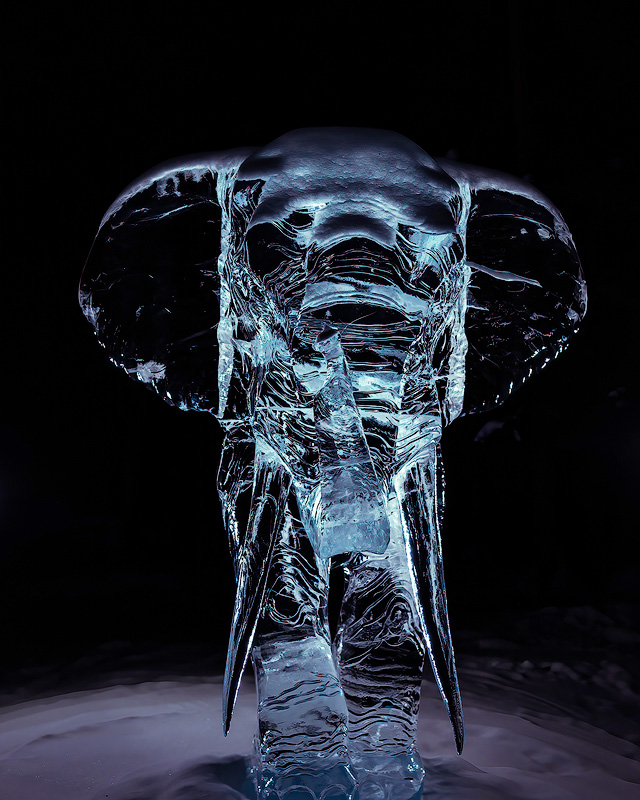
• World Ice Art Championships (late Feb-March): If your timing aligns, this international ice sculpting competition is spectacular—massive, intricate ice sculptures illuminated at night.
• Santa Claus House in North Pole: Yes, there’s a town called North Pole, Alaska, 15 minutes from Fairbanks. The Santa Claus House is delightfully kitschy and fun.
• Arctic Circle Day Trip: Several operators offer fly/drive adventures to Coldfoot and the Arctic Circle sign—a chance to say you’ve been above the Arctic Circle.
• Snow Machines: Guided snow machine (snowmobile) tours are a thrilling way to explore Alaska’s winter landscape, taking you through remote, snow-covered areas with expert guides.
While enjoying these activities, keep an eye out for wildlife—Alaska’s wilderness is home to moose, foxes, and other incredible animals you might spot during your adventures.
Culture and History: Discovering Fairbanks Beyond the Lights
While the northern lights are the star attraction, Fairbanks offers a rich tapestry of culture and history that’s well worth exploring during your stay. Begin your northern lights adventure with a visit to the University of Alaska Museum of the North, where you’ll discover fascinating exhibits on Alaska’s natural wonders, indigenous cultures, and the science behind the aurora. The museum’s striking architecture and interactive displays make it a highlight for visitors of all ages.Stroll through historic downtown Fairbanks to experience the city’s gold rush heritage and vibrant arts scene. The Fairbanks Ice Museum offers a glimpse into the region’s icy artistry, while local galleries and shops showcase the work of Alaskan artists and craftspeople. Time your visit to coincide with one of Fairbanks’ many festivals, such as the Fairbanks Summer Arts Festival, for a deeper dive into the community’s creative spirit.
Safety and Responsibility: Staying Safe and Respectful in Alaska
Embarking on a northern lights tour in Alaska is an unforgettable adventure, but it’s important to approach your trip with safety and respect for the environment in mind. The Alaskan wilderness is breathtaking, but it can also be unforgiving—especially during the cold weather months when temperatures can plummet well below zero. Always dress in layers, wear insulated boots and gloves, and bring extra warm clothing to ensure you stay comfortable during long nights of northern lights viewing.
When participating in activities like dog sledding or ice fishing, listen carefully to your tour guide and follow all safety instructions. Stick to designated trails to protect the fragile ecosystem and avoid disturbing local wildlife, such as moose, that call this region home. Be mindful of light pollution—use red lights when possible and keep your impact on the night sky to a minimum so everyone can enjoy the aurora in its full glory.
If you’re planning to join a guided tour, check the tour dates and make sure your tour guide is experienced and knowledgeable about the area. Responsible operators will prioritize both your safety and the preservation of the Alaskan wilderness. By respecting the land, wildlife, and local communities, you’ll help ensure that the magic of the northern lights remains a natural wonder for generations to come. With a little preparation and a lot of respect, your Alaska northern lights adventure will be as safe as it is spectacular.
5 Mistakes That Ruin Aurora Trips (And How to Avoid Them)
1. Booking only one or two nights. Weather happens. Aurora activity varies. Give yourself enough nights to have reasonable odds. Five nights is minimum; six to seven is better.
2. Expecting the aurora to look like photographs. Camera sensors capture colors and detail that human eyes often can’t see, especially during moderate displays. To the naked eye, aurora sometimes appears as a grayish-green glow that moves and shimmers. Bright displays do show vivid colors, but manage expectations for moderate activity nights.
3. Underestimating the cold. Standing still outside for hours in sub-zero temperatures is completely different from “going outside in winter.” Your feet will get cold first, then your hands. Proper layering and appropriate boots are non-negotiable.
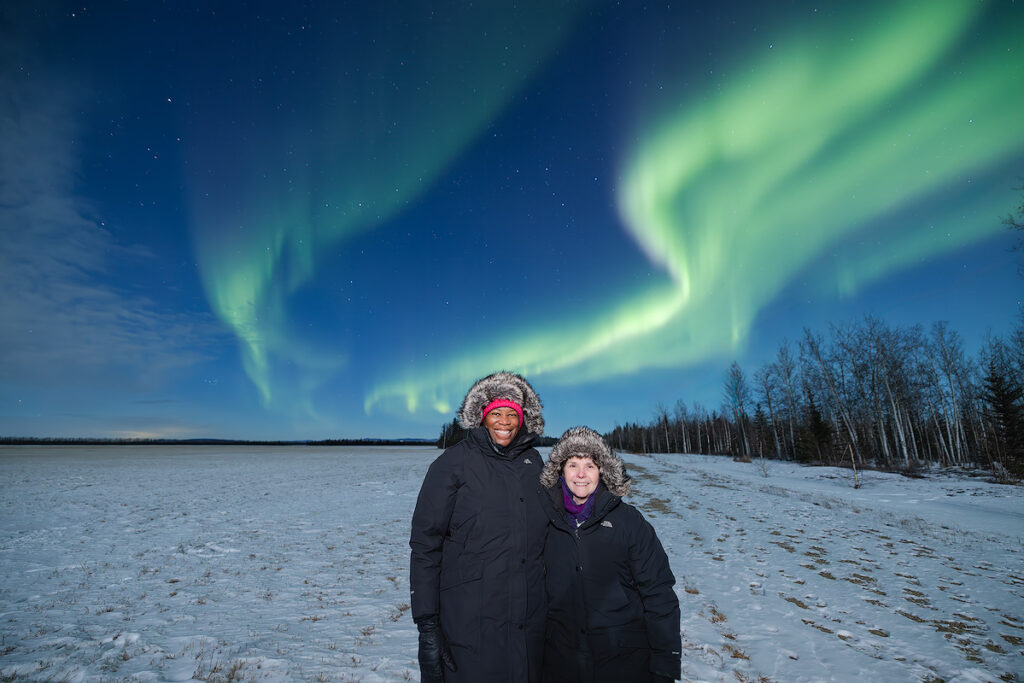
4. Staring at your phone while waiting. Bright screens destroy your night vision and can take 20-30 minutes to recover. Keep screen brightness at minimum, use red light mode if available, and spend most of your time actually looking at the sky.
5. Giving up too early. The aurora is notoriously fickle. I’ve seen guests head back to their hotel at midnight, only for spectacular displays to begin at 1 AM. Peak activity often occurs around “solar midnight” (approximately 1:30 AM in Fairbanks). If conditions are clear, stay out.
Frequently Asked Questions
Can you see the northern lights every night in Fairbanks?
No. Aurora visibility depends on solar activity, weather (you need clear skies), and darkness levels. During aurora season with clear skies and moderate-to-active conditions, you might see some level of aurora activity 4-6 nights out of 7. Spectacular displays are less frequent—maybe a few times per month during peak season. When planning your northern lights vacation Alaska, be sure to check available tour dates and availability to maximize your chances.
Is the aurora always green?
Green is most common because it results from oxygen molecules at lower altitudes. During strong displays, you may also see pink, purple, red, and even blue. The variety of colors depends on the intensity of the solar activity and the type of atmospheric particles being excited.
Do I need a tour, or can I see the aurora from downtown Fairbanks?
You CAN see aurora from within Fairbanks during strong displays—city lights are relatively minimal. However, getting away from any light pollution significantly improves the experience and photography. Tours take you to optimal viewing locations and handle the logistics of late-night winter driving.
What’s the best app for aurora forecasts?
The University of Alaska Fairbanks Geophysical Institute forecast is the gold standard for Alaska specifically. Apps like “My Aurora Forecast” and “Hello Aurora” are good for real-time alerts. Keep in mind that forecasts are most accurate within 1-2 hours—longer-range predictions are rough estimates.
Is Fairbanks better than Iceland or Norway for aurora viewing?
Each destination has advantages. Fairbanks sits directly under the auroral oval (aurora appears overhead, not just on the horizon), has drier weather than coastal destinations (more clear nights), and requires no passport for US citizens. Iceland and Norway offer dramatic landscapes and are closer for European visitors. For Americans prioritizing viewing odds, Fairbanks is hard to beat.
Can I see the aurora on an Alaska cruise?
Maybe, but it’s not ideal. Most Alaska cruises travel through Southeast Alaska, which is much farther south than Fairbanks and has frequent cloud cover. If aurora viewing is your priority, a dedicated trip to Fairbanks will give you far better odds than hoping to see it from a cruise ship.
Ready to Plan Your Fairbanks Aurora Adventure?
The 2026-2027 aurora season represents a genuine once-in-a-decade opportunity. With solar activity near its peak, careful trip planning, and realistic expectations, you have excellent odds of experiencing one of nature’s most spectacular displays.
I’ve been guiding aurora tours from our family property 100 miles north of Fairbanks for over 20 years. Our small-group tours (maximum 10 guests) are designed around one philosophy: we don’t just wait and hope—we actively chase clear skies, sometimes driving 100+ miles in a single night to find the best conditions. It’s what separates a good aurora experience from an unforgettable one.
Book Your Aurora Tour with Face The Outdoors
Contact Us With Questions About Planning Your Trip
—
About the Author:
Michael Schultz: runs Face The Outdoors, a family-operated aurora tour company based deep in Alaska’s interior. Born and raised in Alaska, the northern lights have been part of his life for as long as he can remember. Face The Outdoors was recommended by National Geographic as a premier aurora tour option in the Fairbanks area. He lives with his family at the same property where guests experience the aurora — under some of the darkest skies in Interior Alaska.