Best Time to See Aurora Borealis in Fairbanks, Alaska
Discover the best time to see aurora borealis with our complete guide to northern lights season, aurora visibility conditions, and aurora borealis forecast tips—from a native Alaskan with 20+ years experience.
Fairbanks sits beneath the aurora oval, a region of high aurora activity near the magnetic north pole. Auroras are most frequently observed around Earth's magnetic poles, where the planet's magnetic field lines funnel solar particles toward these regions, creating the spectacular northern lights displays.
⚡ Quick Answer: Best Time to See Aurora Borealis
The best time to see aurora borealis in Fairbanks, Alaska is from late August through mid-April, with peak northern lights season from September through March. If your goal is to see the northern lights, planning your visit during these months gives you the best chance to experience this natural phenomenon. Understanding aurora visibility conditions and checking the aurora borealis forecast will help you plan your trip.
When can you see the aurora in Fairbanks? Fairbanks sits directly beneath the "aurora oval"—the ring-shaped zone around the magnetic north pole where aurora activity is most frequent. Combined with our cold, dry climate and minimal light pollution outside the city, Fairbanks offers some of the best aurora visibility conditions on Earth during the aurora viewing season.
Northern Lights Season in Fairbanks: Aurora Viewing Season Guide
Not all times during the northern lights season are created equal. Auroral activity varies throughout the season, influenced by solar wind conditions and geomagnetic disturbances, which can cause the northern lights to fluctuate in intensity and frequency. Here's what to expect throughout the aurora viewing season, based on two decades of guiding aurora tours and monitoring the aurora borealis forecast in Interior Alaska.
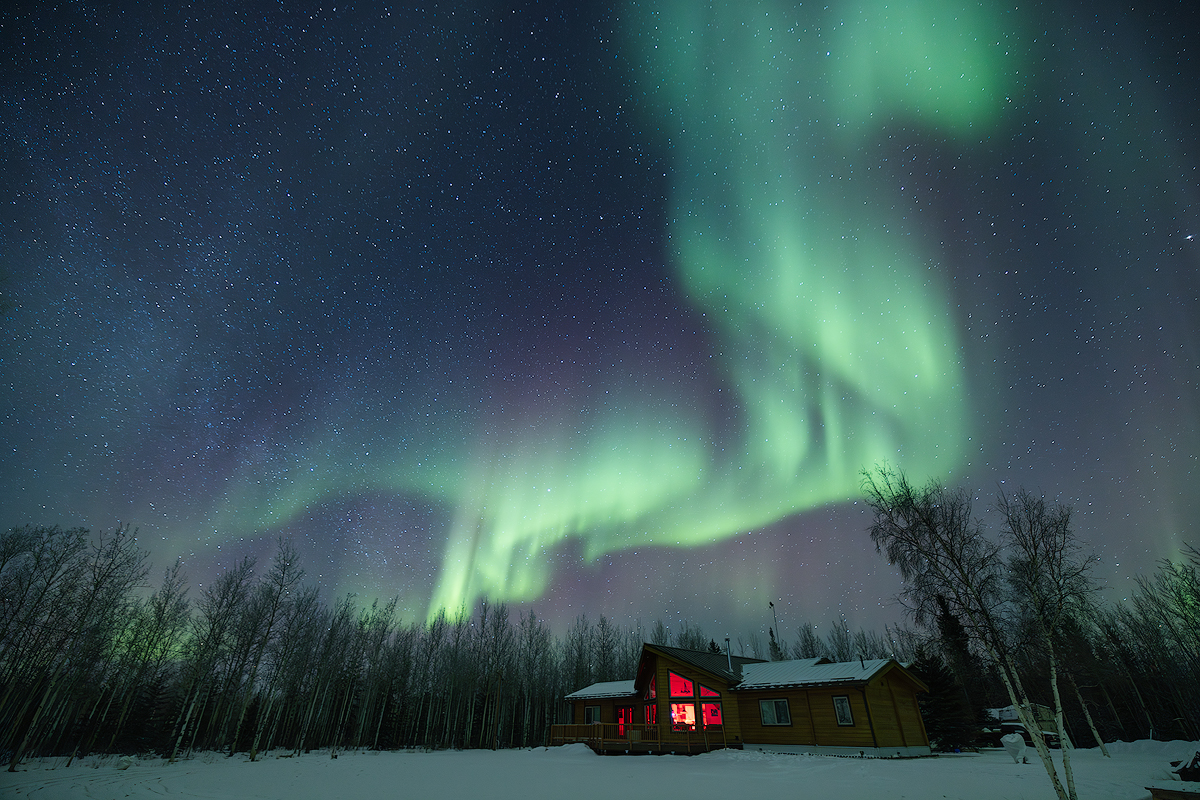
Peak Northern Lights Season
Maximum darkness with up to 20 hours of night—the best time to see aurora borealis. During winter in Fairbanks, there are only a few hours of daylight, resulting in long nights that are ideal for aurora viewing. Crisp, clear skies and snow-covered landscapes create stunning aurora backdrops and excellent aurora visibility conditions.
- Longest viewing windows (9pm–5am)
- Spectacular snow reflections
- Best aurora visibility conditions
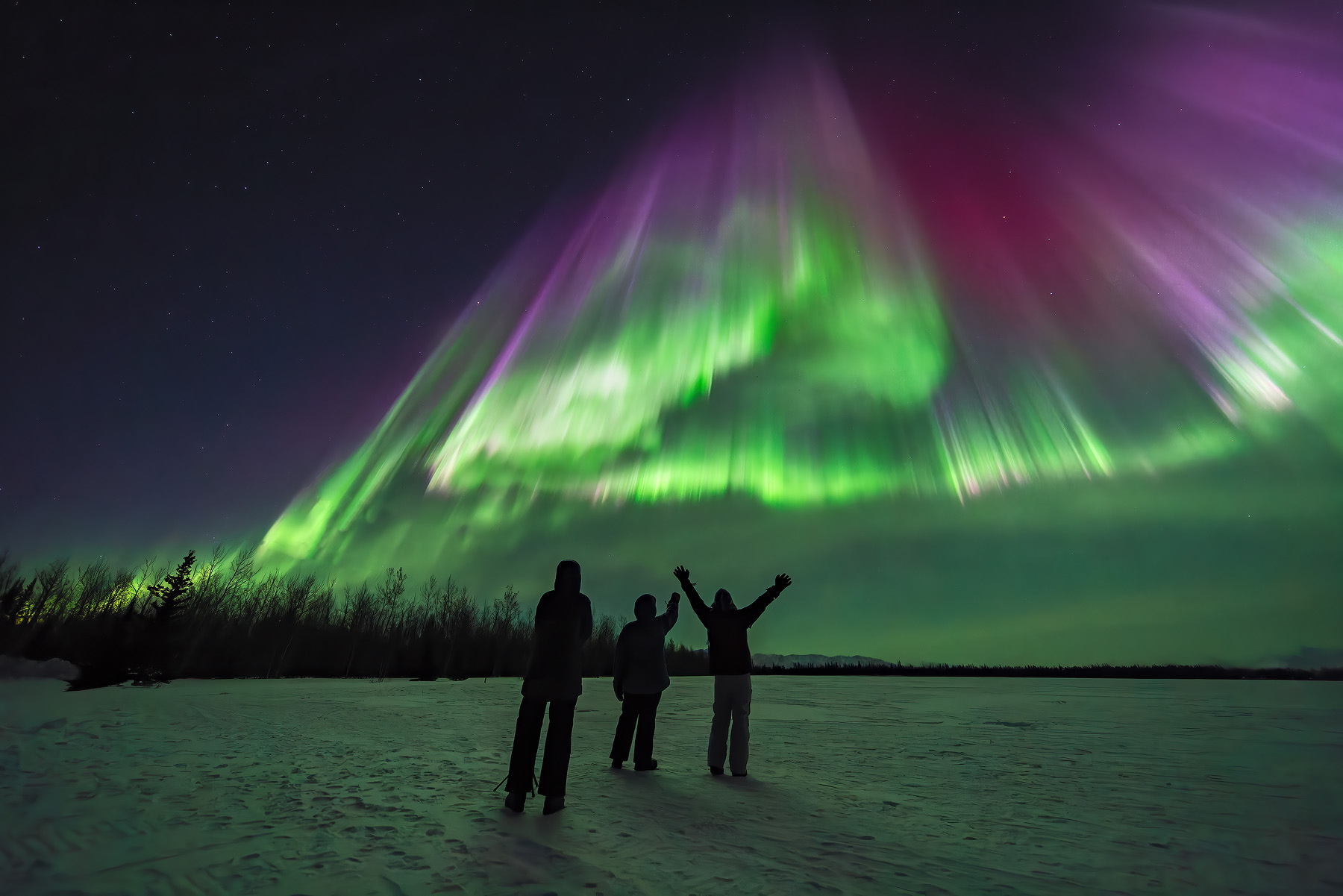
Spring Equinox Aurora Viewing Season
Increased geomagnetic activity around the spring equinox often produces intense aurora storms. The aurora borealis forecast frequently shows enhanced activity, and milder temperatures make viewing more comfortable. Auroral displays can be especially vivid in years following a solar maximum, when heightened solar activity increases the intensity and frequency of northern lights.
- Equinox aurora storms
- Warmer viewing temps (0°F to 20°F)
- Often more colorful displays
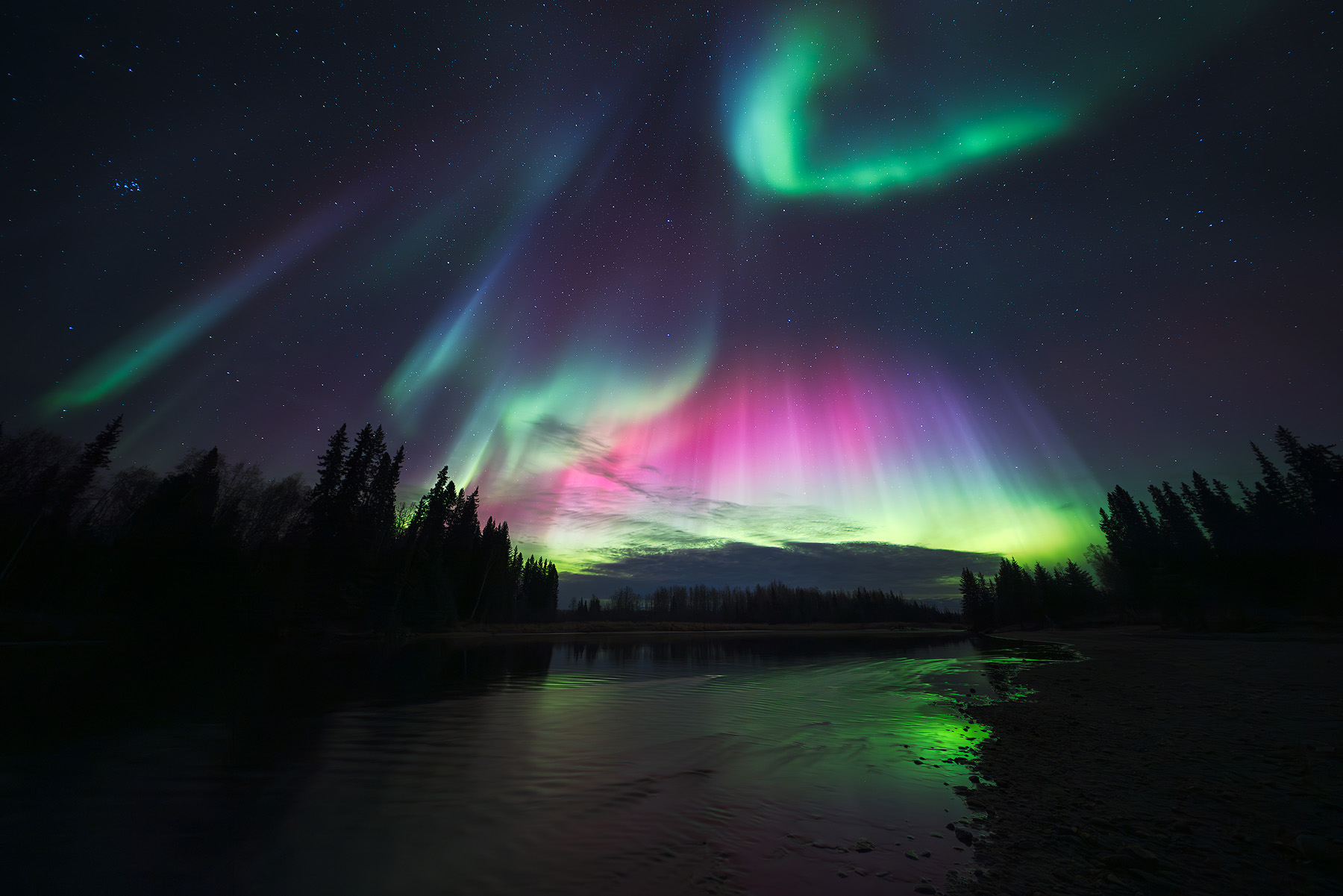
Fall Equinox Northern Lights Season
The aurora viewing season opener! Darkness returns in late August. The fall equinox (also known as the autumn equinox) brings enhanced geomagnetic activity in the aurora borealis forecast and pleasant temperatures—a great time to see aurora borealis.
- Comfortable aurora visibility conditions
- Fall colors + aurora combo
- Less crowded, easier bookings
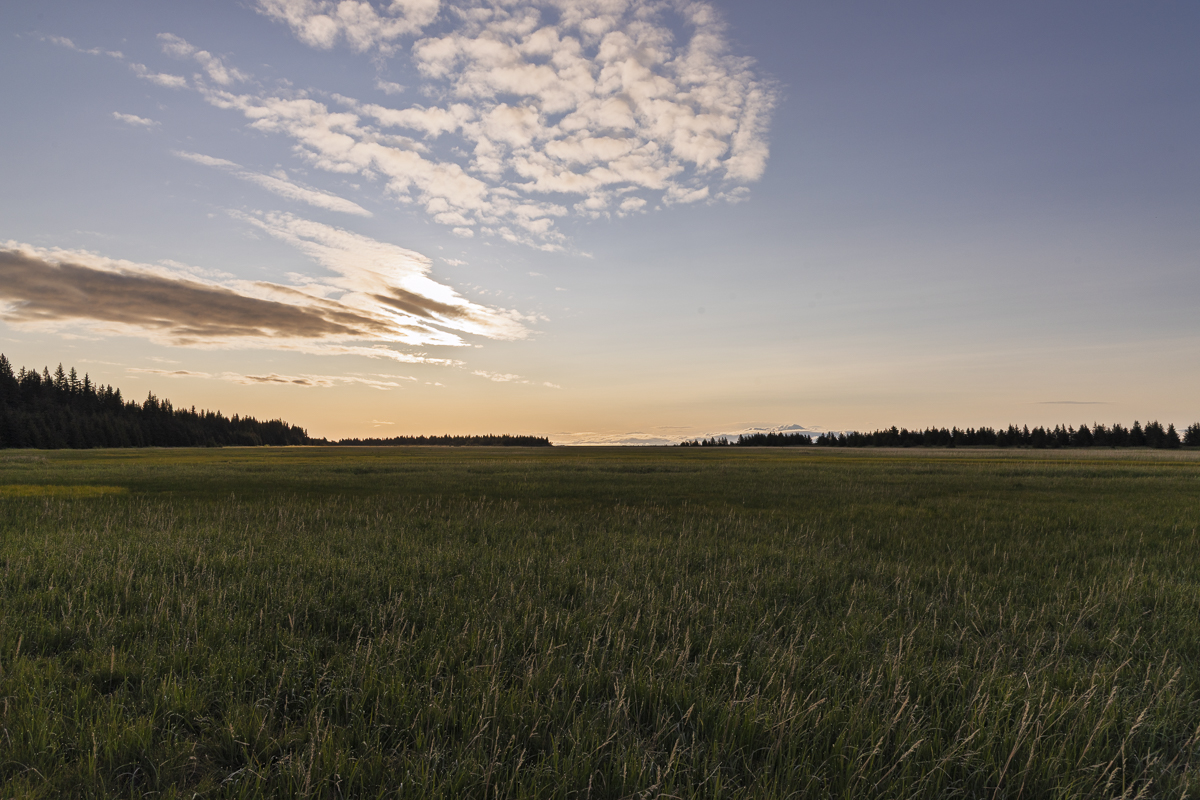
Midnight Sun (Off-Season)
Not the best time to see aurora borealis—aurora off-season. Fairbanks experiences nearly 24 hours of daylight around summer solstice—beautiful, but when can you see the aurora? As the earth rotates and tilts on its axis, Fairbanks enters a period when the sun does not set, making aurora viewing impossible during these months.
- No aurora visibility possible
- Midnight sun adventures instead
- Plan ahead for northern lights season
Best Months for Northern Lights: Month-by-Month Guide
Hours of darkness and aurora visibility conditions for each month during the northern lights season in Fairbanks, Alaska. Use this guide to find the best time to see aurora borealis.
The middle of winter—December and January—offers the longest nights and the highest chances for aurora viewing.
Aurora Visibility Conditions: Understanding the Aurora Borealis Forecast
Three factors determine when can you see the aurora: solar activity (aurora borealis forecast), weather, and location. Local conditions, such as microclimates and immediate weather changes, can also impact whether the aurora is visible on a given night. Understanding these aurora visibility conditions will help you find the best time to see aurora borealis.
Aurora Borealis Forecast (KP Index)
The KP index in the aurora borealis forecast measures geomagnetic activity on a 0-9 scale. Higher numbers can mean more intense aurora displays, however this isn't a reliable metric that should be followed solely. Monitoring the aurora borealis forecast helps determine when can you see the aurora at its best.
Space weather forecasts, which track solar wind, geomagnetic storms, and other solar phenomena, are essential tools for predicting aurora activity.
Weather & Aurora Visibility Conditions
You need a clear sky, free from clouds and light pollution, to see the aurora at its best. Even with a favorable aurora borealis forecast, cloud cover affects aurora visibility conditions. Fairbanks' cold, dry interior climate typically provides excellent sky conditions during northern lights season.
Light Pollution & Aurora Visibility
City lights affect aurora visibility conditions by washing out faint aurora displays. Finding the best time to see aurora borealis also means finding the best location. For the clearest views, seek out dark skies—areas far from artificial light—so the aurora shines at its brightest. Our lodge sits deep in Alaska's interior with zero light pollution—you'll see stars you never knew existed.
Moon Phase & Aurora Viewing Season
A new moon provides the darkest skies during northern lights season, but don't stress about moon phases when planning the best time to see aurora borealis. Even a full moon won't prevent you from seeing a strong aurora display. For the best chance to spot the aurora, choose a location with a clear, unobstructed view of the northern horizon.
When Can You See the Aurora? Best Time of Night
The aurora can occur anytime after dark during northern lights season, but certain hours offer the best time to see aurora borealis. Auroras generally occur during the darkest hours of the night, with peak activity often after midnight. Here's what 20+ years of monitoring aurora visibility conditions has taught us.
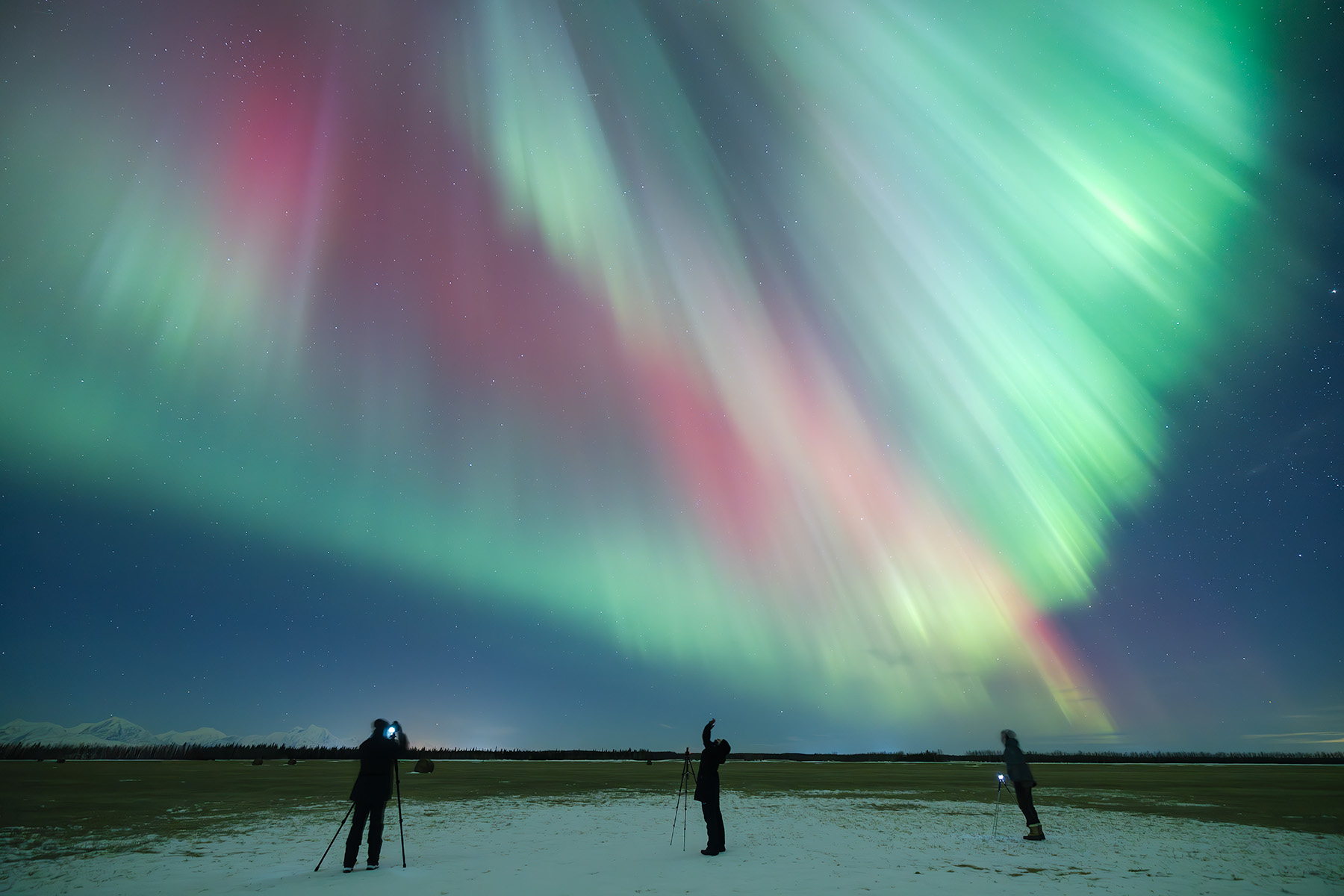
- 8pm – 10pm
Early Activity
During northern lights season, the aurora can begin to occur shortly after dark. Often starts subtle, building throughout the night as aurora visibility conditions improve.
- 10pm – 2am
Peak Hours — Best Time to See Aurora Borealis
Statistically the best time to see aurora borealis each night. Magnetic midnight in Fairbanks occurs around 1:30am—when auroras can occur at their most active.
- 2am – 4am
Secondary Peak
Often produces dramatic "breakup" displays. Some of our best aurora viewing during northern lights season occurs in this window.
- 4am – 5am
Dawn Approach
Aurora activity can continue to occur until dawn during the aurora viewing season. We stay out as long as aurora visibility conditions are favorable.
Our tours during northern lights season run from approximately 8pm to 5am to maximize when you can see the aurora. We monitor the aurora borealis forecast and aurora visibility conditions all night—you won't miss the show.
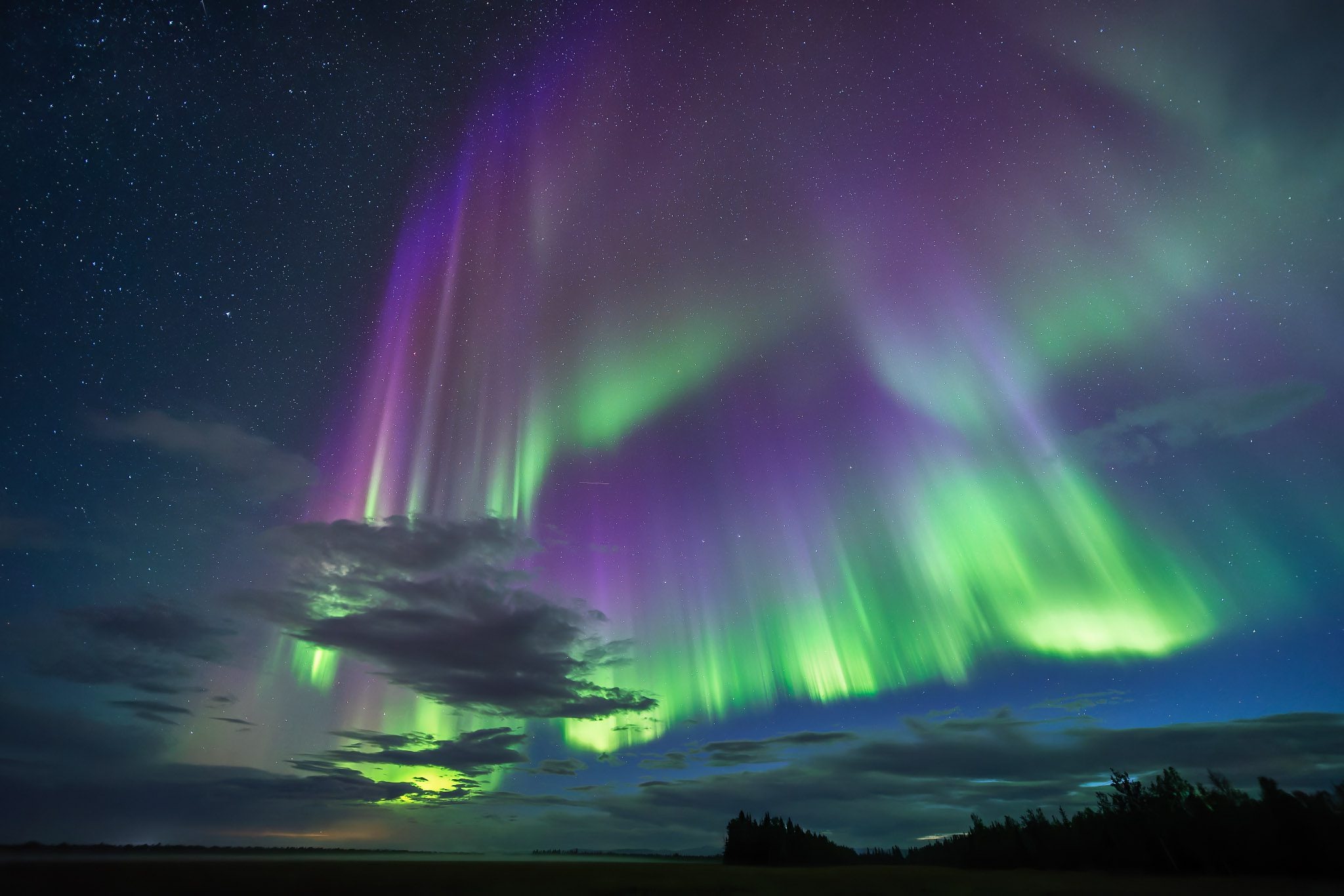
Why Fairbanks Offers the Best Time to See Aurora Borealis
Not all northern destinations offer the same aurora visibility conditions during northern lights season. Fairbanks' location in the northern latitudes places it within the prime aurora viewing zone, combining the perfect latitude, climate, and accessibility—making it the best place in the United States to see aurora borealis.
Directly Under the Aurora Oval
Fairbanks sits at 65°N, positioned directly beneath the aurora oval—the best location to see aurora borealis where northern lights activity is most frequent during the aurora viewing season.
Excellent Aurora Visibility Conditions
Unlike coastal Alaska, Interior Alaska has a continental climate with less precipitation and more clear nights—ideal aurora visibility conditions during northern lights season.
240+ Nights of Aurora Viewing Season
From late August through mid-April, Fairbanks offers over 240 nights—the best months for northern lights—with sufficient darkness to see aurora borealis.
Accessible Infrastructure
International airport, hotels, restaurants, and experienced tour operators make planning your best time to see aurora borealis trip straightforward.
Best Months for Northern Lights: When to Book Your Aurora Tour
Based on aurora visibility conditions, aurora borealis forecast patterns, and weather—here's when we recommend visiting Fairbanks during northern lights season for the best time to see aurora borealis. Plan 5-7 days to maximize when can you see the aurora and give yourself the best chance for successful aurora hunting.
Early Aurora Viewing Season
Comfortable temperatures, fall colors, and good aurora visibility conditions. A great time to see aurora borealis for first-time visitors—plan 5-7 days during these best months for northern lights.
Peak Northern Lights Season
Maximum darkness and the best time to see aurora borealis. The winter solstice, around December 21st, marks the shortest day and longest night of the year, offering prime conditions for aurora viewing. Excellent aurora visibility conditions and aurora borealis forecast reliability. Plan 5-7 days during these best months for northern lights.
Late Aurora Viewing Season
Spring equinox storms, warming temps—often when can you see the aurora at its most colorful. The period around the spring equinox offers a higher probability of witnessing intense aurora displays due to increased geomagnetic activity, making these some of the best months for northern lights. The aurora borealis forecast frequently shows enhanced activity during this time.
* Aurora odds based on 5-7 day trip during northern lights season with multiple tour nights. Shorter visits have significantly lower odds due to weather and aurora borealis forecast variability.
Check Availability & Book Now →Pro Tips for the Best Time to See Aurora Borealis
Having spent my whole life in Alaska monitoring aurora visibility conditions and the aurora borealis forecast, here's what I tell every guest about maximizing when can you see the aurora.
Pro Tip: For the best chance to see the aurora borealis, consider heading to a nearby national park. These areas offer darker skies and stunning scenic backdrops, making your aurora viewing experience even more memorable.
Visit During Peak Northern Lights Season
The best time to see aurora borealis is during peak northern lights season (November-February). Plan a 5-7 day trip with multiple tour nights—this gives you 90%+ odds vs. ~65% for a quick 3-night visit.
Get Away from City Lights
Aurora visibility conditions improve dramatically away from light pollution. You can see aurora from Fairbanks, but remote locations reveal 10x more detail. Our lodge deep in Alaska's interior has zero light pollution.
Stay Up Late During Aurora Viewing Season
The best time to see aurora borealis each night is 10pm-2am, but some of our best displays happen between 2-4am. Staying up late increases your chances of witnessing the aurora's famous dancing lights as they ripple and swirl across the sky. Be prepared for a late night during northern lights season.
Dress Warmer Than You Think
Standing still in -20°F affects aurora visibility conditions—if you're too cold, you'll miss the show. Layer up, especially feet and hands. We have a free dress guide for northern lights season.
Monitor the Aurora Borealis Forecast
Check the aurora borealis forecast before your trip. The KP index helps predict when can you see the aurora at its best, but remember—Fairbanks can see aurora even with low KP readings.
Go With a Local Guide
We monitor the aurora borealis forecast and aurora visibility conditions all night, chase clear skies, and know when can you see the aurora best. You focus on the experience—we handle logistics.
Frequently Asked Questions: Best Time to See Aurora Borealis
When can you see the aurora borealis during summer in Fairbanks?
You cannot see aurora borealis during summer—Fairbanks experiences nearly 24 hours of daylight from May through July. The northern lights season runs late August through mid-April. The best time to see aurora borealis is during peak season (September-March).
What KP index in the aurora borealis forecast do I need in Fairbanks?
Fairbanks is positioned perfectly under the aurora oval, so you can see the aurora borealis with a KP index as low as 1-2. Higher KP levels (3-5+) in the aurora borealis forecast produce more dramatic, active displays with more colors.
What are the best months for northern lights in Alaska?
The best months for northern lights in Fairbanks are September through March—the peak northern lights season. December and January offer the most darkness, while September and March equinoxes often produce intense aurora storms.
What affects aurora visibility conditions during northern lights season?
Three main factors affect aurora visibility conditions: the aurora borealis forecast (solar activity/KP index), cloud cover, and light pollution. Clear skies away from city lights during active solar periods offer the best time to see aurora borealis.
Can I see the aurora from downtown Fairbanks during northern lights season?
You can see bright aurora displays from Fairbanks, but city lights reduce aurora visibility conditions. For the best time to see aurora borealis, get well away from town—our lodge sits deep in Alaska's interior with zero light pollution.
What if the aurora borealis forecast shows clouds during my visit?
This is why we recommend a 5-7 day trip during northern lights season with multiple tour nights. We also chase clear skies—if clouds move in at the lodge, we relocate. Aurora visibility conditions can change rapidly, and we never give up on your night.
Ready to Experience the Best Time to See Aurora Borealis?
Now you know when can you see the aurora, the best months for northern lights, and how to monitor aurora visibility conditions. Let us handle the rest—small groups, expert local guide, private lodge, and zero light pollution during northern lights season.
Call us at (907) 590-1567 or email michael@facetheoutdoors.com